

Discover the latest job report in USA, including employment trends, salaries, industries hiring, and economic outlook for 2026 job seekers.
Introduction
The United States job market remains one of the most influential economic indicators worldwide. Every month, employment reports provide valuable insights into hiring trends, unemployment rates, salary growth, and industry performance. Understanding the job report in the USA helps job seekers, employers, investors, and policymakers make informed decisions.
In 2026, the American labor market continues to evolve due to technological innovation, remote work expansion, economic shifts, and demographic changes. This comprehensive report explores employment trends, high-growth sectors, salary expectations, workforce challenges, and future opportunities.
What Is a Job Report in USA?
A job report is an official summary of employment conditions in the country. It measures:
- Number of jobs added or lost
- Unemployment rate
- Wage growth
- Workforce participation
- Industry hiring trends
These reports are usually published monthly and are closely monitored by businesses and financial markets.
Why Job Reports Matter
Job reports influence:
- Economic policies
- Interest rates
- Company hiring strategies
- Career planning decisions – U.S. Bureau of Labor Statistics
Overview of the US Employment Market in 2026
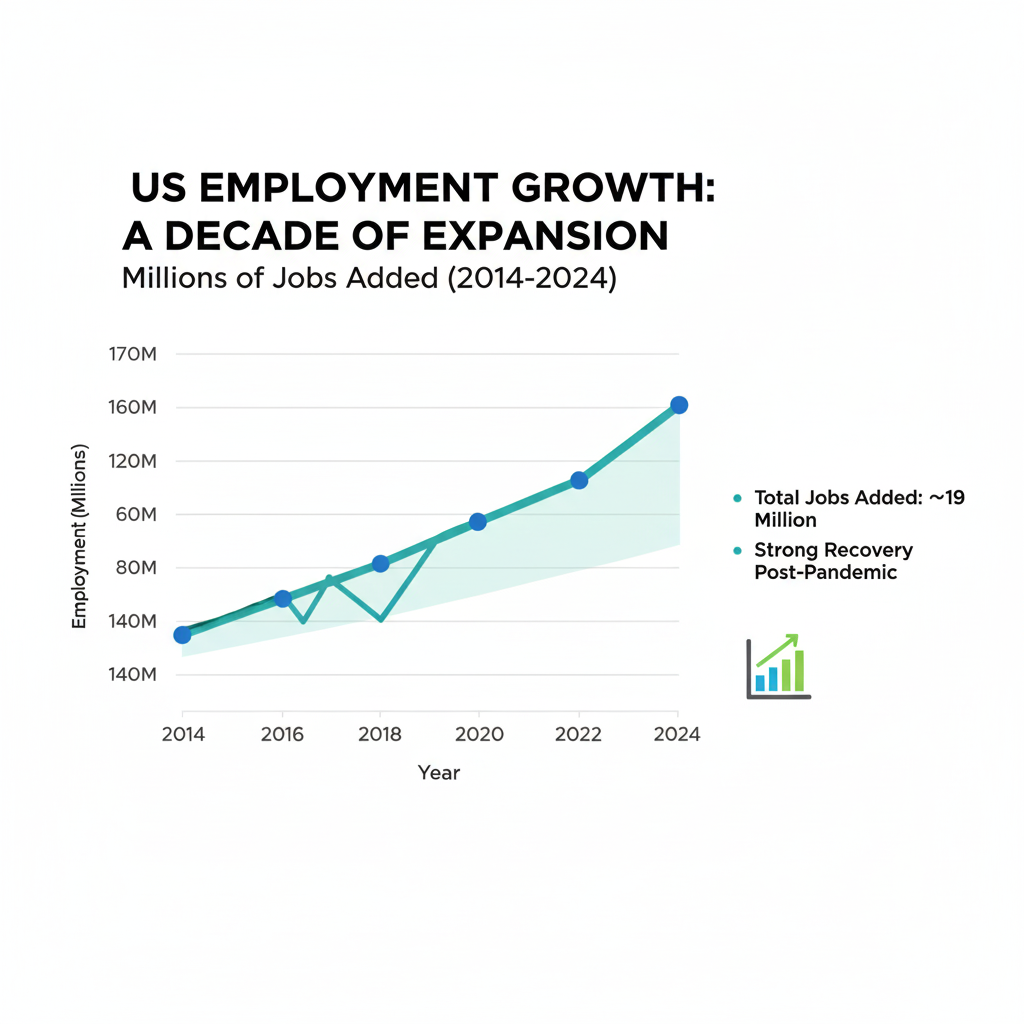
The US labor market in 2026 shows steady recovery and growth following global economic adjustments in recent years.
Key Highlights
- Stable unemployment levels
- Strong hiring in technology and healthcare
- Increased demand for skilled workers
- Growth in hybrid and remote jobs
The economy is shifting toward knowledge-based and digital roles, making education and skills more important than ever.
Current Unemployment Rate Analysis
The unemployment rate is one of the most important metrics in job reports.
Factors Affecting Unemployment
- Economic growth
- Automation and AI adoption
- Education levels
- Regional job availability
Low unemployment typically signals a strong economy but may also lead to labor shortages.
Regional Differences
- Lower unemployment in tech hubs
- Higher competition in metropolitan areas
- Growth opportunities in mid today’s cities
Industries Driving Job Growth
1. Technology Sector
Technology continues to dominate hiring across the country.
Top Roles:
- Software Developers
- Cybersecurity Specialists
- Data Analysts
- AI Engineers
Average salaries range from $85,000 to $160,000 annually.

2. Healthcare Industry
Healthcare remains recession-resistant and consistently growing.
High Demand Jobs:
- Registered Nurses
- Medical Technicians
- Healthcare Administrators
- Telemedicine Specialists
Aging populations increase healthcare employment demand.
3. Finance and Business Services
Financial institutions continue hiring professionals skilled in analytics and risk management.
Popular positions include:
- Financial Analysts
- Accountants
- Business Consultants
- Investment Advisors

4. Logistics and Transportation
E-commerce growth has expanded logistics jobs significantly.
Roles growing quickly:
- Supply Chain Managers
- Warehouse Supervisors
- Delivery Coordinators
Automation improves efficiency but still requires human oversight.
5. Renewable Energy and Green Jobs
Clean energy investments are creating thousands of new jobs.
Examples:
- Solar Technicians
- Wind Energy Engineers
- Environmental Analysts
Salary Trends in the USA
Salary growth reflects inflation adjustments and skill demand.
Average Salary Ranges (2026)
| Industry | Average Salary |
|---|---|
| Technology | $110,000 |
| Healthcare | $95,000 |
| Finance | $105,000 |
| Marketing | $75,000 |
| Hospitality | $45,000 |
Higher salaries are concentrated in urban areas but remote work is balancing income distribution.
Remote Work and Hybrid Employment
Remote work has permanently changed employment patterns.
Benefits
- Flexible schedules
- Reduced commuting
- Access to global talent
Challenges
- Communication barriers
- Productivity monitoring
- Cybersecurity risks
Companies now prefer hybrid models combining office and remote work.

Skills Most in Demand in 2026
Employers prioritize adaptable and digital-ready candidates.
Take a look here to learn about the skills most in demand in the USA in 2026.
Technical Skills
- Data analysis
- Cloud computing
- AI tools
- Programming
Soft Skills
- Communication
- Problem-solving
- Leadership
- Adaptability
Job Market Challenges
Despite strong hiring, challenges remain:
- Skill shortages
- Rising living costs
- Automation replacing routine tasks
- Competition among applicants
Workers increasingly invest in reskilling programs to remain competitive.
Immigration and Workforce Contribution
International workers play a vital role in the US economy.
Common work visas:
- H-1B (Specialty occupations)
- L-1 (Company transfers)
- O-1 (Extraordinary ability)
Immigrants contribute significantly to healthcare, engineering, and technology sectors.
Future Job Market Predictions
Experts predict continued transformation.
Expected Trends
- AI-assisted workplaces
- Expansion of digital economy
- Growth in freelance employment
- Increased automation collaboration
New careers will emerge as technology evolves.

Tips for Job Seekers in the USA
- Update your resume regularly
- Learn digital skills
- Build LinkedIn networking connections
- Apply strategically, not randomly
- Prepare for skill-based interviews
Consistency and adaptability are key to career success.
Economic Impact of Employment Reports
Job reports affect:
- Stock markets
- Federal Reserve decisions
- Business investments
- Consumer confidence
Strong job growth usually indicates economic expansion.
Conclusion
The job report in the USA provides a clear picture of the nation’s economic health and workforce evolution. In 2026, opportunities remain strong across technology, healthcare, finance, logistics, and renewable energy sectors. While competition continues to increase, workers who develop modern skills and stay adaptable will benefit most from the evolving job landscape.
Understanding employment trends allows job seekers and businesses to prepare strategically for future growth.
Stay updated with the latest US employment trends and start preparing today for tomorrow’s career opportunities. The right skills and knowledge can position you for success in the competitive American job market.